Key Takeaways
Outdoor events and catering operations require packaging that prioritizes durability, portability, and food protection. The right containers should prevent leaks, maintain food quality, and withstand transportation, temperature shifts, and handling.
Choose packaging based on your menu, not just convenience (or price). Hot foods, cold beverages, baked goods, and grab-and-go items each require different materials.
Sustainable packaging only works when paired with proper waste planning. Compostable products can only provide environmental benefits when customers and staff know how to correctly dispose of them. Compostable catering supplies can be a great way to make your operation more green.
A well-planned checklist improves efficiency and customer experience. Preparing supplies ahead of time helps reduce last-minute shortages and unnecessary waste.
Restaurant Packaging Checklist for Outdoor Events: Everything You Need to Serve Guests Sustainably
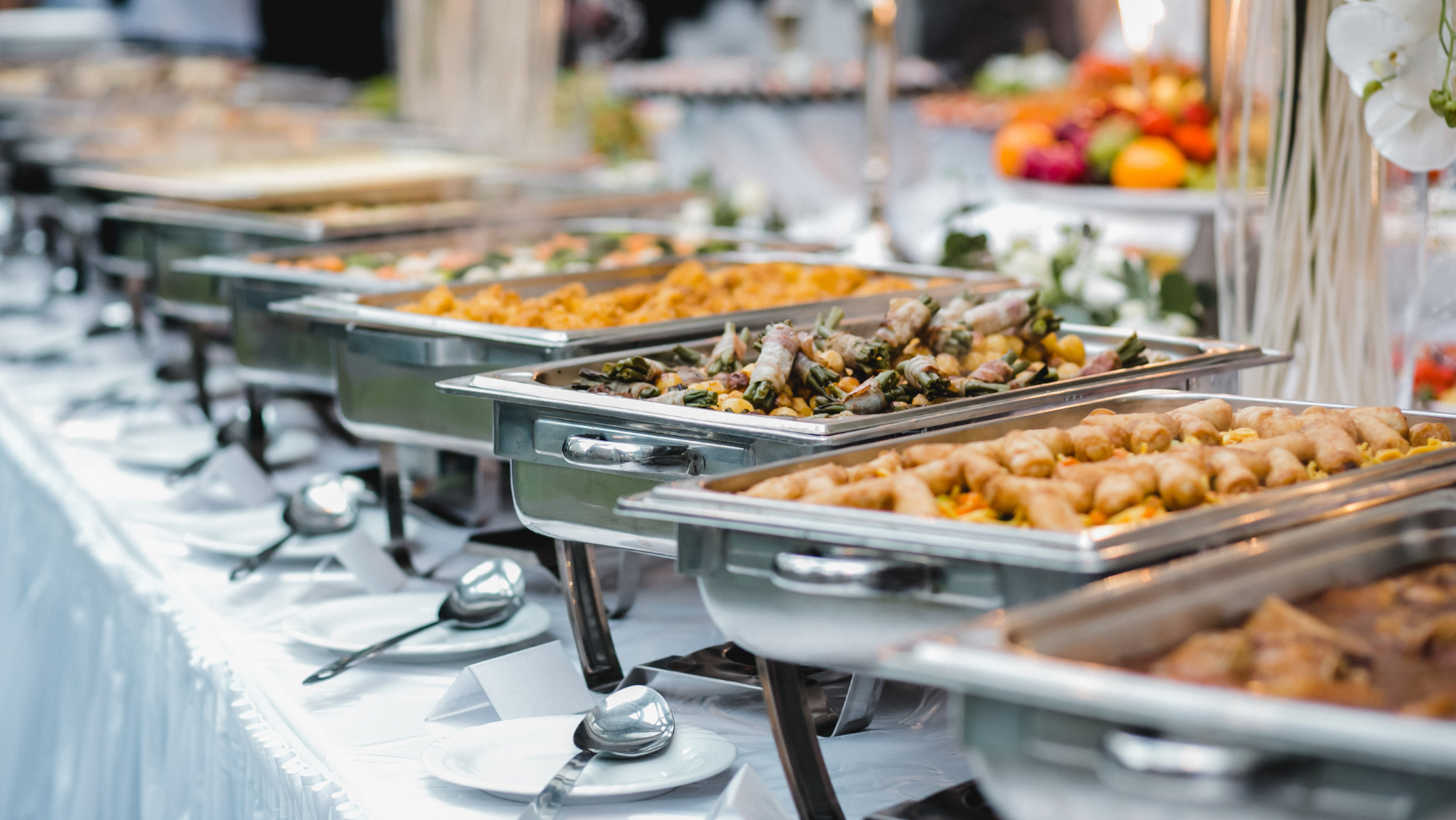
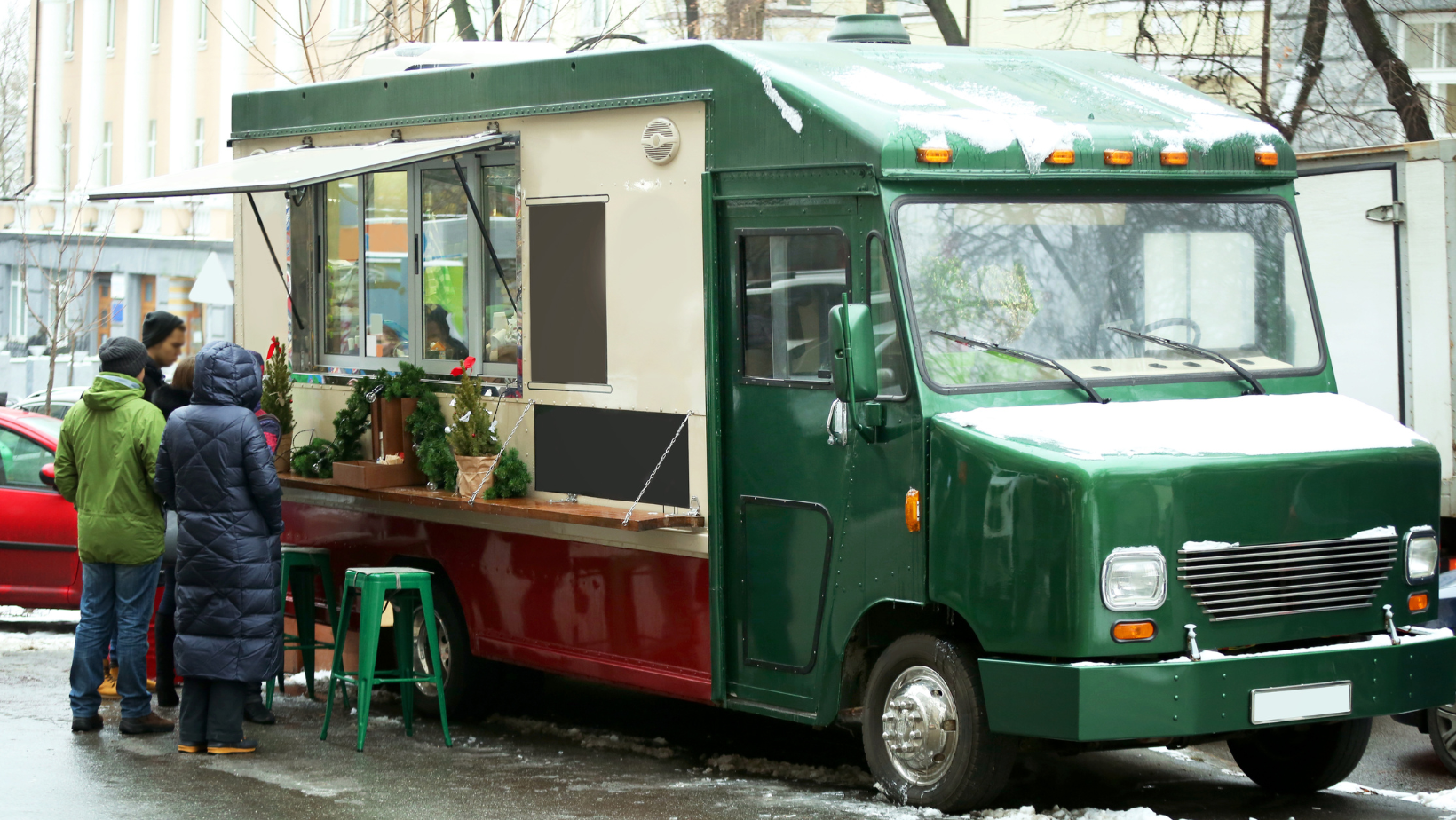
Outdoor events are a major opportunity for restaurants, caterers, food trucks, and hospitality businesses to reach new customers, but they also come with unique operational challenges. Outdoor dining requires packaging that can handle transportation, changing weather conditions, high-volume service, as well as customer convenience.
The right plan can help keep food fresh, improve efficiency, reduce waste, and create an optimal guest experience. But with so many options available, choosing the right sustainable food packaging can feel overwhelming.
Why Outdoor Event Packaging Requires Extra Planning
Unlike a traditional restaurant setting, outdoor events often have limited access to kitchens, storage, dishwashing stations, and waste management systems. The chosen supplies need to do more than simply hold food, they need to support your entire outdoor service operation.
According to the EPA, food service businesses can significantly reduce waste through several different source reduction strategies, including eliminating disposable foodware and improving packaging practices. One food service waste reduction program helped participating restaurants eliminate more than 2.8 million pounds of disposable foodware items annually.
For outdoor events, thoughtful packaging choices can help businesses:
Serve customers faster
Prevent spills and food waste
Simplify transportation and setup
Improve brand perception
Reduce cleanup time
This checklist breaks down the essential items every business should consider before its next outdoor event, including catering supplies and sustainable alternatives that help reduce reliance on single-use plastics.
Step 1: Always Choose Durability First
Disposable food containers are the foundation of your event setup. The right container should protect food while making it easy for customers to carry and enjoy their meals.
Low-cost packaging can create bigger problems if containers leak, collapse, or fail to protect food.
When selecting containers, consider:
Will the food be hot or cold?
Will customers eat immediately or take the food home?
Does the menu include sauces, oils, or moisture-heavy ingredients?
Does the container need to stack for transportation?
Bagasse containers
Made from sugarcane fiber
Durable and lightweight
Suitable for hot foods, sandwiches, bowls, and entrées
Provides a plastic-free alternative to traditional foam containers
Kraft paperboard containers
Great for sandwiches, baked goods, and dry foods
Provides a professional presentation
Easy to stack and transport
Compostable clamshell containers
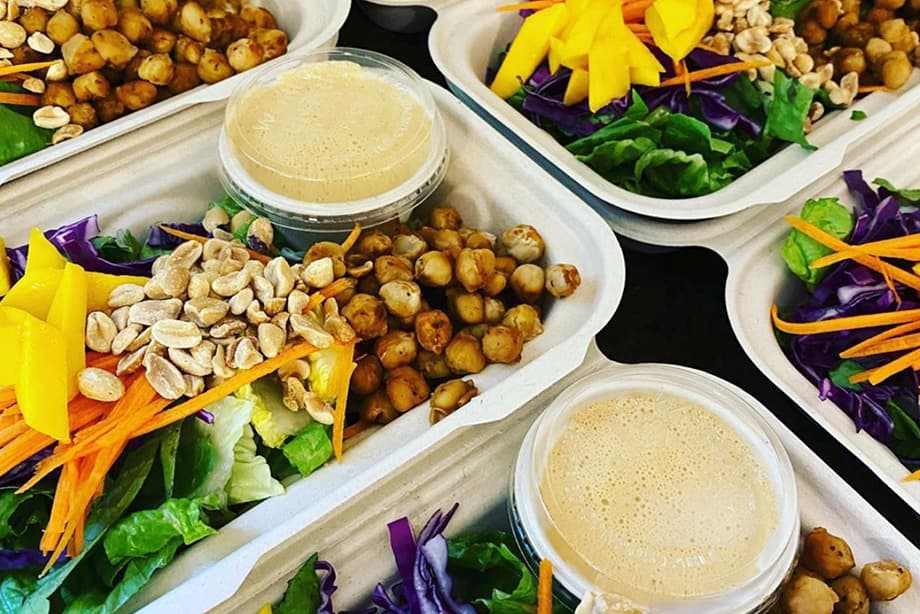
Ideal for grab-and-go meals
Helps prevent spills and keeps food protected during transport
For greasy or saucy foods, choose packaging designed with grease resistance and moisture protection to prevent leaks and maintain food quality.
Step 2: Focus on Cups, Lids, and Accessories
Drinks are often one of the highest-volume items at outdoor events, making beverage packaging decisions an important area to focus on during planning. Outdoor events rarely have the same convenience as a restaurant kitchen. Running out of cups and other supplies can quickly disrupt service. So always plan for expected attendance, average order size, backup inventory, and unexpected demand.
Hot beverage supplies:
Cold beverage supplies:
When selecting sustainable beverage packaging, consider how products will be disposed of after use. Compostable products are not accepted everywhere, so businesses should confirm whether local composting facilities accept foodservice packaging before choosing them for the event.
Step 3: Don’t Disregard Cutlery & Serving Accessories
While sometimes overlooked, small items can create large amounts of waste when used at high-volume events.
Don't forget:
Forks
Knives
Spoons
Napkins
Straws
Stir sticks
Serving trays
Portion cups
Condiment containers
Sustainable alternatives include:
Bamboo utensils
Paper straws
Serving accessories like compostable napkins
A helpful tip is to provide utensils only when needed rather than automatically including them with every order. This reduces unnecessary waste and helps control inventory costs.
Step 4: Consider Packaging for Different Menu Items
It is not ideal for every menu item to use the same container. Matching packaging to food type helps maintain quality and prevents spills while maintaining customer satisfaction.
Hot Foods
Burgers
Sandwiches
Fries
BBQ
Pasta dishes
Look for:
Grease-resistant materials
Ventilation options
Strong construction
Leak protection
Cold Foods
Salads
Fruit cups
Desserts
Yogurt parfaits
Look for:
Moisture-resistant containers
Secure lids
Stackable designs
Bakery Items
Cookies
Muffins
Pastries
Look for:
Kraft bakery bags
Paperboard boxes
Step 5: Plan for Transportation and Storage
Outdoor events require moving large quantities of food and supplies before service even begins.
Choose packaging that:
Stacks efficiently
Takes up minimal storage space
Protects products during transportation
Can withstand changing temperatures
Before event day, create a packaging inventory checklist. Having supplies organized ahead of time reduces service delays, minimizes unnecessary stress, and prevents last-minute purchases.
Step 6: Don't Underestimate Waste Management
Sustainable packaging only works when customers know how to dispose of it properly.
For outdoor events, consider:
Clearly labeled waste stations
Separate compost, recycling, and landfill bins
Signage explaining disposal instructions in depth
Employee training before the event so they can instruct event attendees
One common mistake is assuming compostable packaging can go anywhere. Many compostable foodservice products require commercial composting facilities and should not be placed in traditional recycling bins.
Simple signage can make a real difference:
Compost → Compostable cups, containers, and food scraps
Recycle → Accepted recyclable materials only
Trash → Items that cannot be processed
A complicated packaging system can also make cleanup harder. Whenever possible, try to standardize container material since a simpler system is easier for everyone.
Step 7: Prioritize Food Safety
Outdoor events create additional food safety challenges because food is exposed to warmer temperatures and longer sitting periods due to longer service windows without a fully stocked kitchen.
The FDA recommends keeping cold foods at 40°F or below and hot foods at 140°F or above to help prevent bacterial growth and food poisoning. Perishable foods should not remain in the temperature danger zone for more than two hours, or one hour when outdoor temperatures exceed 90°F.
Packaging can support food safety and keep everyone out of harm’s way by:
Using insulated containers
Keeping lids secure
Separating hot and cold foods
Preventing cross-contamination
Build a Sustainable Packaging Plan Before Your Next Event
A successful outdoor event starts long before the first customer arrives. By choosing durable packaging, matching containers to your menu, planning for proper waste disposal, and preparing supplies ahead of time, restaurants can create a smoother experience for both employees and guests.
Sustainable packaging isn't just about replacing plastic, it’s also about creating a system that works from preparation to cleanup.
With the right restaurant packaging checklist, outdoor events can be more efficient, easier to manage and most importantly, sustainable!
Sources
1- U.S. Environmental Protection Agency (EPA) - Food Service-Related Source Reduction Programs, https://www.epa.gov/trash-free-waters/food-service-related-source-reduction-programs
2- U.S. Food & Drug Administration (FDA) - Handling Food Safely While Eating Outdoors,https://www.fda.gov/food/buy-store-serve-safe-food/handling-food-safely-while-eating-outdoors
3- U.S. Food & Drug Administration (FDA) - Barbecue Basics: Tips to Prevent Foodborne Illness,
https://www.fda.gov/consumers/consumer-updates/barbecue-basics-tips-prevent-foodborne-illness
4- U.S. Environmental Protection Agency (EPA) - Food: Material-Specific Data, https://www.epa.gov/facts-and-figures-about-materials-waste-and-recycling/food-material-specific-data