Key Takeways
Reduces Waste and Pollution: Turning kitchen scraps and yard waste into compost helps lower greenhouse gas emissions and a household’s environmental impact.
Saves You Money: Composting not only saves money on synthetic fertilizers and soil amendments but also fosters an eco-friendly lifestyle.
Anyone Can Do It: You don’t need a big yard or fancy equipment to get started - simple bins, proper layering of greens and browns, and regular maintenance are enough to start.
Naturally Enriches Soil: Homemade compost improves soil structure, moisture retention, and nutrient content while supporting healthier plants.
Your Guide to Home Composting: Turn Everyday Waste into Garden Gold
If you’ve ever wanted a simple way to reduce waste and improve your garden, this home composting guide will walk you through everything you need to know. Learning how to compost at home is easier than you think and the benefits are numerous.
Composting kitchen waste and organic matter at home is one of the most impactful small changes you can make in your household’s daily routine. Instead of throwing away food scraps, composting helps create a natural cycle that returns nutrients back to the planet. Whether you live in a house with a backyard or a smaller space like an apartment, there are easy ways to start composting kitchen waste and make a meaningful difference right away. There are also home compostable products made from renewable resources that you can work into your routine that break down in a home compost system that is properly maintained.
Why Compost at Home?
Composting isn’t just for experienced gardeners and life long recyclers, it’s a practical (and simple) habit anyone can choose to adopt. Food scraps, as well as organic materials, make up a major portion of household waste. Composting not only keeps them from ending up in overcrowded landfills but puts them to good use as well.
Food is the single largest material sent to landfills in the U.S., making up about 24% of municipal solid waste, and when combined with other compostable materials like paper and yard waste, that number rises to over 50%.
Key benefits include:
Reducing household waste→ Composting diverts a significant portion of your daily trash from landfills, helping cut down on overall waste and reducing the strain on waste management systems.
Lowering your environmental impact→ When organic waste breaks down in landfills, it produces methane—a potent greenhouse gas—and landfills account for about 14% of U.S. methane emissions, with wasted food responsible for 58% of those emissions. By learning how to compost, you help decrease methane emissions produced by organic waste.
Enriching soil naturally→ Compost adds essential nutrients and beneficial microorganisms back into the soil which improves its structure, moisture retention, and overall health.
Saving money on a healthy, more productive garden→ Creating your own compost reduces the need for store-bought fertilizers while improving nutrient retention, plant yield and soil quality.
How to Get Started?
This step by step guide is designed to make getting started less intimidating and more approachable. What most people don’t realize is you don’t need a large yard or expensive equipment to start a composting habit. All you need is a container, some organic materials, and a basic understanding of how composting works.
What you’ll need:
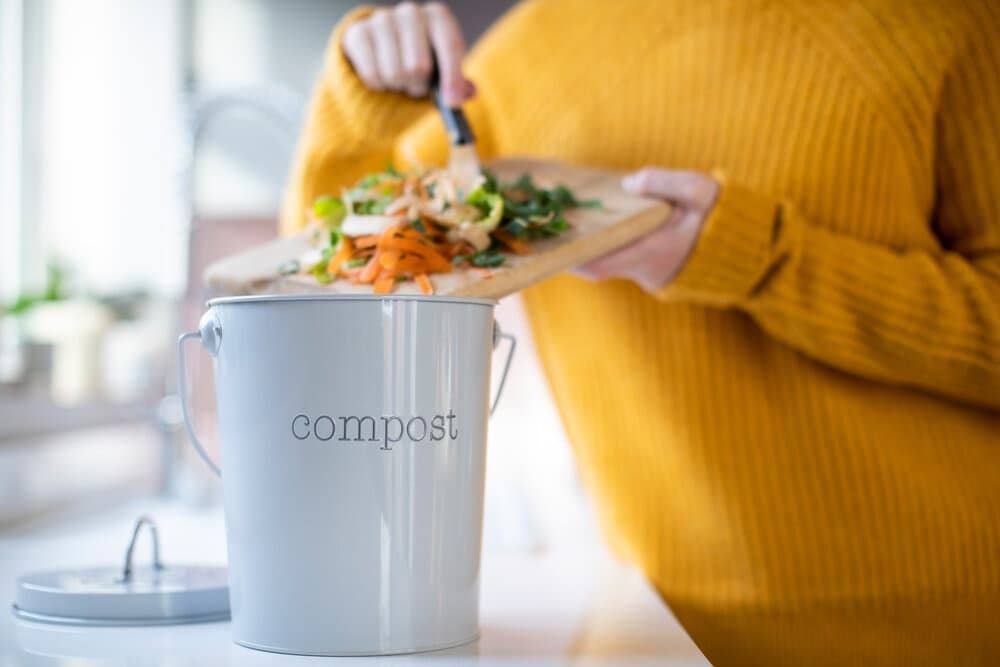
A compost bin or pile→ this can be store-bought or made at home
“Green” materials→ think: food scraps, coffee grounds, grass clippings
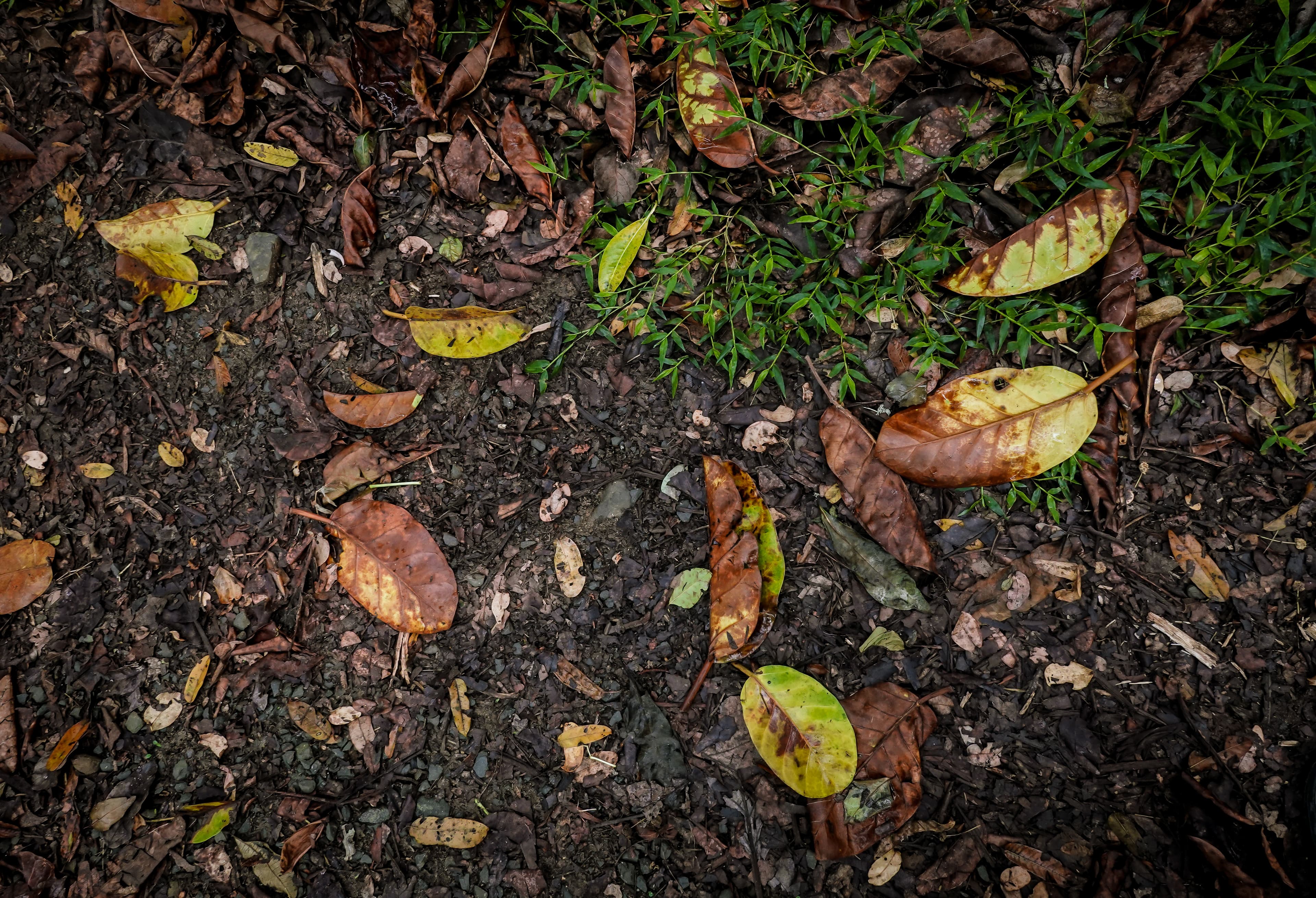
“Brown” materials → think: dry leaves, cardboard, paper
Water and air → allows for proper decomposition
A good rule of thumb is to maintain a balance of greens and browns - roughly 1 part green to 2–3 parts brown - to keep your compost healthy and odor-free.
Choose a location → Pick a dry, shady spot for your compost bin or pile.
Start layering materials→ Alternate between green and brown materials to create balance.
Keep it moist, but not too moist→Your compost should feel like a damp sponge, not too dry or soaking wet.
Turn regularly→ Mix your compost every 1–2 weeks to aid in oxygen presence and speed up decomposition.
Wait and watch→ Over time, this will break down into dark, crumbly compost with an earthy smell.
What Can I Compost?
Understanding what you can compost and what you should avoid is key to building a successful and long lasting system.
COMPOST:
Fruit and vegetable scraps
Coffee grounds and filters
Eggshells
Grass clippings
Leaves and small twigs
Shredded paper and cardboard
AVOID:
Meat and dairy products
Oily or greasy foods
Pet waste
Diseased plants
Focusing on kitchen and yard waste at the start of your composting journey is one of the easiest ways to get started while minimizing mess and effort.
What Mistakes Should I Avoid?
Too many greens→ Causes odors and slow decomposition
Too dry or too wet→ Impacts microbial activity
Not turning the pile→ Reduces airflow and overall efficiency
Adding the wrong materials→ Attracts pests and causes imbalance
Keeping these mistakes in mind will ensure your first composting experience is a positive one and builds a life changing habit.
How Can I Use My Compost?
Once your compost is ready, you can use it in a variety of ways:
Mix it into garden beds to enrich soil
Use it as mulch around plants
Add it to potting soil for indoor plants
Globally, about 33% of soils are moderately to highly degraded, and composting helps restore soil health by increasing organic matter, improving fertility, and supporting plant growth.
Whether you’re focused on sustainability or just want better soil for your plants or more delicious home grown vegetables, composting is a huge win.
Start small, stay relatively consistent, and you’ll quickly see how easy composting at home can be. You will be sharing all of these tips with your family and friends in no time!
Sources
1- https://www.epa.gov/sustainable-management-food/composting